
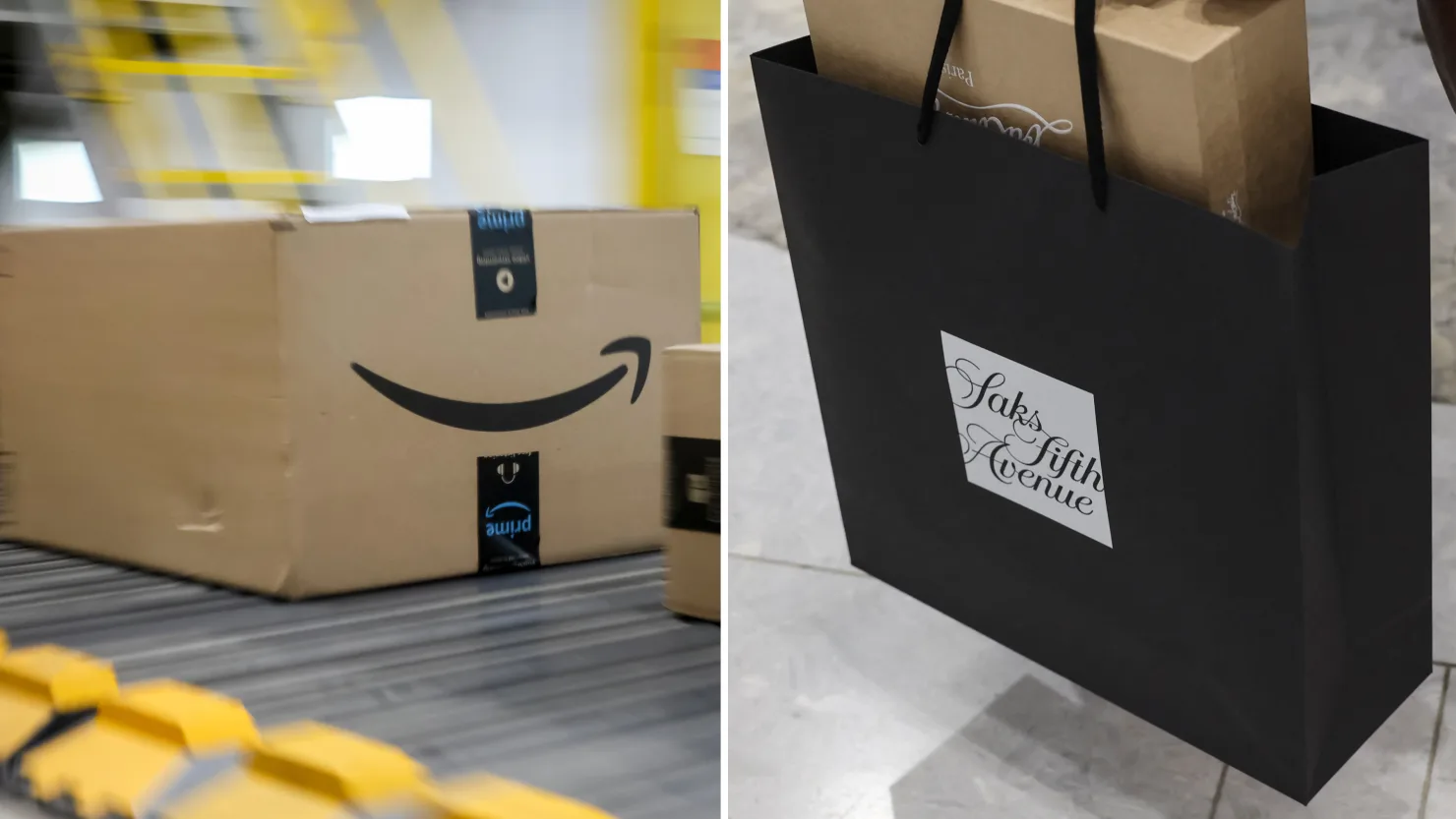
Amazon Warns of “Drastic Action” After Saks Bankruptcy Wipes Out $475 Million Investment

Amazon has issued a strong warning following the bankruptcy of Saks Global, signaling that it may take what it describes as “drastic remedies” if its concerns are not addressed. At the center of the dispute is Amazon’s $475 million investment in Saks’ acquisition of Neiman Marcus, a stake the tech giant now says has effectively become worthless.
In a formal objection filed in court, Amazon challenged Saks Global’s proposed bankruptcy financing plan, arguing that it unfairly harms certain creditors and pushes Amazon further down the line for repayment. The objection highlights rising tensions between one of the world’s largest technology companies and a major luxury retail group navigating financial distress.
What Triggered Amazon’s Objection
Bankruptcy Financing Plan Under Fire
Saks Global recently filed for bankruptcy protection and proposed a financing plan intended to keep operations running during the restructuring process. Such plans are common in large bankruptcies, as they allow companies to secure new funding while reorganizing their debts.
However, Amazon argues that the proposed financing structure unfairly prioritizes certain lenders while weakening the position of existing creditors, including Amazon itself. According to Amazon’s filing, the plan could further reduce any chance of recovering its investment.
A $475 Million Investment at Stake
Amazon invested $475 million into Saks’ acquisition of Neiman Marcus, a deal that was seen at the time as a bold move into the luxury retail space. The investment gave Amazon a significant stake and strategic influence in the combined business.
Now, Amazon claims that due to the bankruptcy and the way the financing plan is structured, that stake has been rendered effectively worthless. This dramatic shift underscores how quickly fortunes can change in the volatile retail sector.
Why Amazon Is So Concerned
Being Pushed Down the Repayment Order
One of Amazon’s key objections is that the bankruptcy financing plan could move it further down the repayment pecking order. In bankruptcy proceedings, the order in which creditors are repaid is critical.
If Amazon’s position is weakened, it may recover little or none of its original investment. The company argues that the proposed plan unfairly benefits new lenders at the expense of existing stakeholders.
Protecting Shareholder Interests
As a publicly traded company, Amazon has a responsibility to protect shareholder value. Writing off a $475 million investment is not just a financial loss, but also a signal of strategic failure.
By objecting forcefully, Amazon is attempting to preserve whatever leverage it still has in the restructuring process.
Threat of “Drastic Remedies”
What Amazon Is Warning About
In its filing, Amazon warned that it could seek more drastic remedies if Saks does not address its concerns. These potential actions include requesting the appointment of an independent examiner or even a trustee.
An examiner would investigate the company’s finances and restructuring process, while a trustee could take control of operations from current management. Either move would significantly escalate the bankruptcy proceedings.
Why This Matters for Saks
The appointment of an examiner or trustee can slow down restructuring, increase costs, and undermine management’s control. Amazon’s warning signals that it is prepared to use every legal tool available to protect its position.
For Saks, this raises the stakes considerably, as prolonged legal battles could further strain the company’s finances and reputation.
How the Saks–Neiman Marcus Deal Led Here
A Bold Luxury Retail Bet
The acquisition of Neiman Marcus by Saks was intended to create a luxury retail powerhouse capable of competing in a rapidly changing market. Amazon’s investment was seen as a vote of confidence in the future of high-end retail and digital transformation.
At the time, the deal promised synergies, stronger brand positioning, and new opportunities for innovation.
Market Pressures and Changing Consumer Behavior
However, luxury retail has faced significant challenges in recent years. Shifts in consumer behavior, rising costs, supply chain disruptions, and increased competition from online platforms have all weighed on performance.
These pressures made it harder for the combined company to meet expectations, eventually contributing to the financial strain that led to bankruptcy.
What This Means for Amazon’s Retail Strategy
A Costly Lesson in Brick-and-Mortar Retail
Amazon’s investment in Saks highlighted its willingness to experiment beyond its core e-commerce business. The setback serves as a reminder that traditional retail, even at the luxury level, carries significant risks.
While Amazon remains dominant in online retail and cloud computing, this episode may make the company more cautious about large investments in struggling brick-and-mortar businesses.
Strategic Influence Versus Financial Reality
Amazon’s involvement was not purely financial. The investment also offered strategic insights into luxury retail operations and customer behavior.
Still, strategic value has limits when financial losses mount, and the company’s strong reaction suggests that the balance has tipped too far toward risk.
Implications for Creditors and Investors
Heightened Uncertainty
Amazon’s objection introduces additional uncertainty into the bankruptcy process. Other creditors may also scrutinize the financing plan more closely, potentially leading to further objections or renegotiations.
This could complicate efforts to reach a smooth restructuring agreement.
A Warning Sign for Future Deals
The situation serves as a cautionary tale for investors considering complex retail acquisitions. Even well-funded deals backed by major players can unravel quickly under unfavorable market conditions.
For lenders and investors, the case highlights the importance of clear protections and repayment priorities.
The Broader Impact on Luxury Retail
A Sector Under Pressure
Saks Global’s bankruptcy underscores the broader challenges facing luxury retail. While high-end brands often appear resilient, they are not immune to economic slowdowns, changing tastes, and operational inefficiencies.
Rising interest rates and tighter consumer spending have only intensified these pressures.
Reinventing the Luxury Experience
The future of luxury retail may depend on deeper digital integration, better inventory management, and more personalized customer experiences. The failure to adapt quickly enough can have severe consequences, even for iconic brands.
What Happens Next
Court Decisions Will Be Key
The bankruptcy court will now weigh Amazon’s objections and determine whether the financing plan should be revised. The outcome will shape how much control existing creditors retain and how the restructuring proceeds.
If Amazon follows through on its threat of seeking an examiner or trustee, the case could become more complex and prolonged.
Possible Negotiation Behind the Scenes
Despite the public nature of the objection, there is still room for negotiation. Saks may attempt to modify the financing plan to address Amazon’s concerns and avoid escalation.
Such behind-the-scenes discussions are common in high-profile bankruptcies, especially when powerful stakeholders are involved.
Final Thoughts
Amazon’s sharp response to Saks Global’s bankruptcy highlights the high stakes involved when technology giants venture into traditional retail. A $475 million investment that once promised strategic upside is now described as worthless, prompting threats of drastic legal action.
The dispute not only shapes the future of Saks and Neiman Marcus but also offers a broader lesson about risk, restructuring, and the fragile state of luxury retail. As the bankruptcy process unfolds, all eyes will be on whether Amazon escalates its challenge or reaches a compromise to salvage what remains of its investment.

