

Oracle Stock Suffers Its Worst Quarter in Over Two Decades
Oracle is heading toward one of the darkest quarters in its modern history. The company’s stock has fallen nearly 30% in just three months, putting it on track for its steepest quarterly decline since the dot-com crash of 2001. For long-time investors, the sudden drop feels alarming. For new leadership at Oracle, it’s an especially rough welcome.
The selloff has been driven by growing investor doubts about Oracle’s ambitious plans to expand its cloud and AI infrastructure, particularly its massive partnership with OpenAI. Add in disappointing financial results, soaring capital spending plans, and rising debt concerns, and the market’s message is clear: Wall Street is nervous.
A Rough Start for Oracle’s New Leadership
New CEOs Step In During Turbulent Times
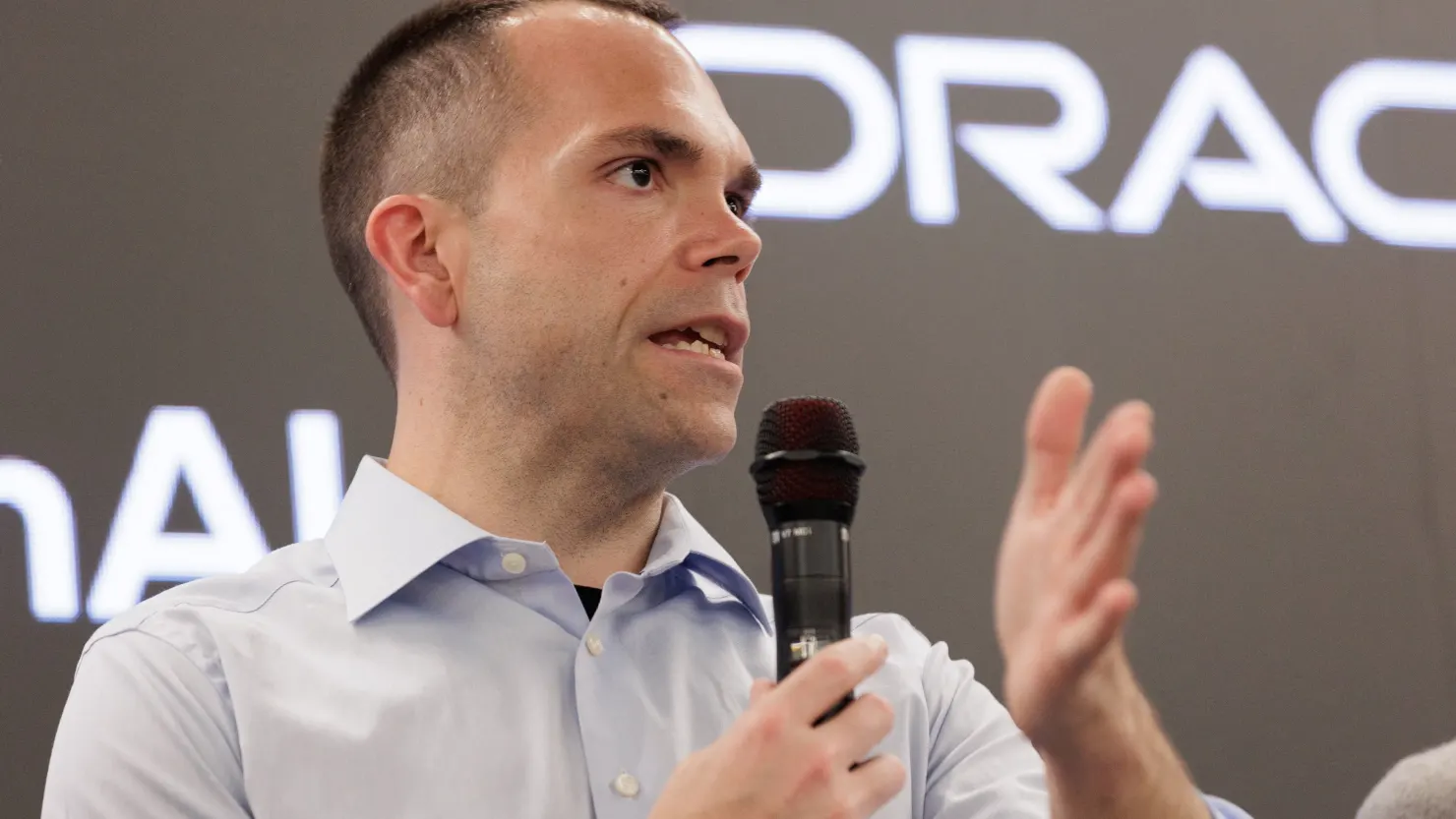
Just three months ago, Oracle named Clay Magouyrk and Mike Sicilia as its new co-CEOs. The leadership transition was meant to mark a new chapter focused on cloud growth and artificial intelligence. Instead, their early days have been overshadowed by a collapsing stock price and growing skepticism from investors.
Leadership changes often come with a grace period, but the market hasn’t been patient. Oracle’s shares have continued to slide as questions mount about whether the company can realistically deliver on its AI promises without stretching its finances too far.
Why Oracle’s Stock Is Under Pressure
Investors Question the AI Build-Out
At the center of Oracle’s troubles is its ambitious plan to build massive new server farms to support OpenAI, the company behind ChatGPT. In September, OpenAI reportedly agreed to spend more than $300 billion with Oracle over time, a deal that sounded like a huge win for Oracle’s cloud business.
But excitement has turned into concern. Investors are now questioning whether Oracle can actually build and scale the infrastructure required to support such a deal, especially given the enormous costs involved.
Building data centers is expensive. Building enough of them to support large-scale AI workloads is even more costly. And Oracle is planning to do it at a pace that has startled the market.
Weak Earnings Add Fuel to the Fire
Revenue and Cash Flow Miss Expectations
Earlier this month, Oracle reported quarterly earnings that fell short of Wall Street expectations. Revenue growth was weaker than anticipated, and free cash flow disappointed investors who were hoping to see stronger returns from Oracle’s cloud investments.
On the earnings call, Oracle’s newly appointed finance chief, Doug Kehring, laid out a spending plan that only deepened concerns.
A Massive Spending Plan Raises Red Flags
Capital Expenditures Set to Explode
Oracle now expects to spend about $50 billion on capital expenditures in fiscal 2026 alone. That figure is 43% higher than what the company projected just a few months ago and double what it spent the previous year.
On top of that, Oracle plans to commit roughly $248 billion in long-term leases to expand cloud capacity. These leases are meant to support new data centers and infrastructure needed for AI services.
While aggressive investment can signal confidence, this level of spending has investors worried about whether Oracle is taking on too much risk at once.
Debt Concerns Begin to Mount
Borrowing to Fund AI Growth
Such an enormous expansion cannot be funded by cash flow alone. Oracle has already turned to the debt markets in a big way.
In September, the company raised $18 billion through a massive bond sale, one of the largest ever seen in the tech industry. The move gave Oracle short-term financial flexibility, but it also increased its debt burden significantly.
Doug Kehring has publicly stated that Oracle is committed to maintaining its investment-grade credit rating. However, not everyone is convinced.
Credit Markets Signal Growing Anxiety
Credit Default Swaps Tell a Different Story
While Oracle insists its balance sheet remains solid, the credit markets are sending warning signs. The cost of insuring Oracle’s debt through credit default swaps has risen, suggesting that some investors are increasingly worried about the company’s ability to meet its obligations.
Analysts at D.A. Davidson summed up these fears in a note to clients, warning that Oracle may struggle to meet its financial commitments without revisiting or restructuring its OpenAI deal. They currently maintain a neutral stance on the stock, reflecting uncertainty rather than confidence.
The OpenAI Deal: Opportunity or Overreach?
A High-Stakes Bet on the Future of AI
Oracle’s partnership with OpenAI could still prove transformative. If demand for AI services continues to explode, Oracle’s cloud infrastructure could become a critical backbone of the AI economy.
But timing matters. Oracle is spending heavily today based on expectations of future demand. If revenue growth doesn’t ramp up quickly enough, the company could find itself carrying massive debt before the payoff arrives.
This mismatch between near-term costs and long-term rewards is what’s making investors uneasy.
Market Reaction: A Historic Selloff
Worst Quarter Since the Dot-Com Bust
With only a few trading days left in the quarter, Oracle’s stock remains deep in the red. A nearly 30% decline puts it on pace for its worst quarterly performance since the third quarter of 2001, when the tech sector was still reeling from the dot-com collapse.
The comparison is striking and underscores just how dramatic this selloff has been.
What Happens Next for Oracle?
Key Questions Investors Are Watching
Looking ahead, several factors will determine whether Oracle can regain investor confidence:
- Can Oracle successfully scale its data center infrastructure on time and on budget?
- Will cloud and AI revenues accelerate fast enough to justify the massive spending?
- Can the company maintain its investment-grade credit rating while taking on so much debt?
- Will new leadership adjust strategy if financial pressure continues to build?
The answers to these questions will shape Oracle’s future over the next several years.
Final Thoughts: A Pivotal Moment for Oracle
Oracle is at a crossroads. Its bold push into AI and cloud infrastructure could cement its role as a major player in the next era of technology. But the risks are real, and the market is clearly signaling discomfort with the speed and scale of the company’s ambitions.
For now, investors are choosing caution over optimism. Whether Oracle can turn this historic downturn into a long-term comeback remains one of the most closely watched stories in the tech sector.

