
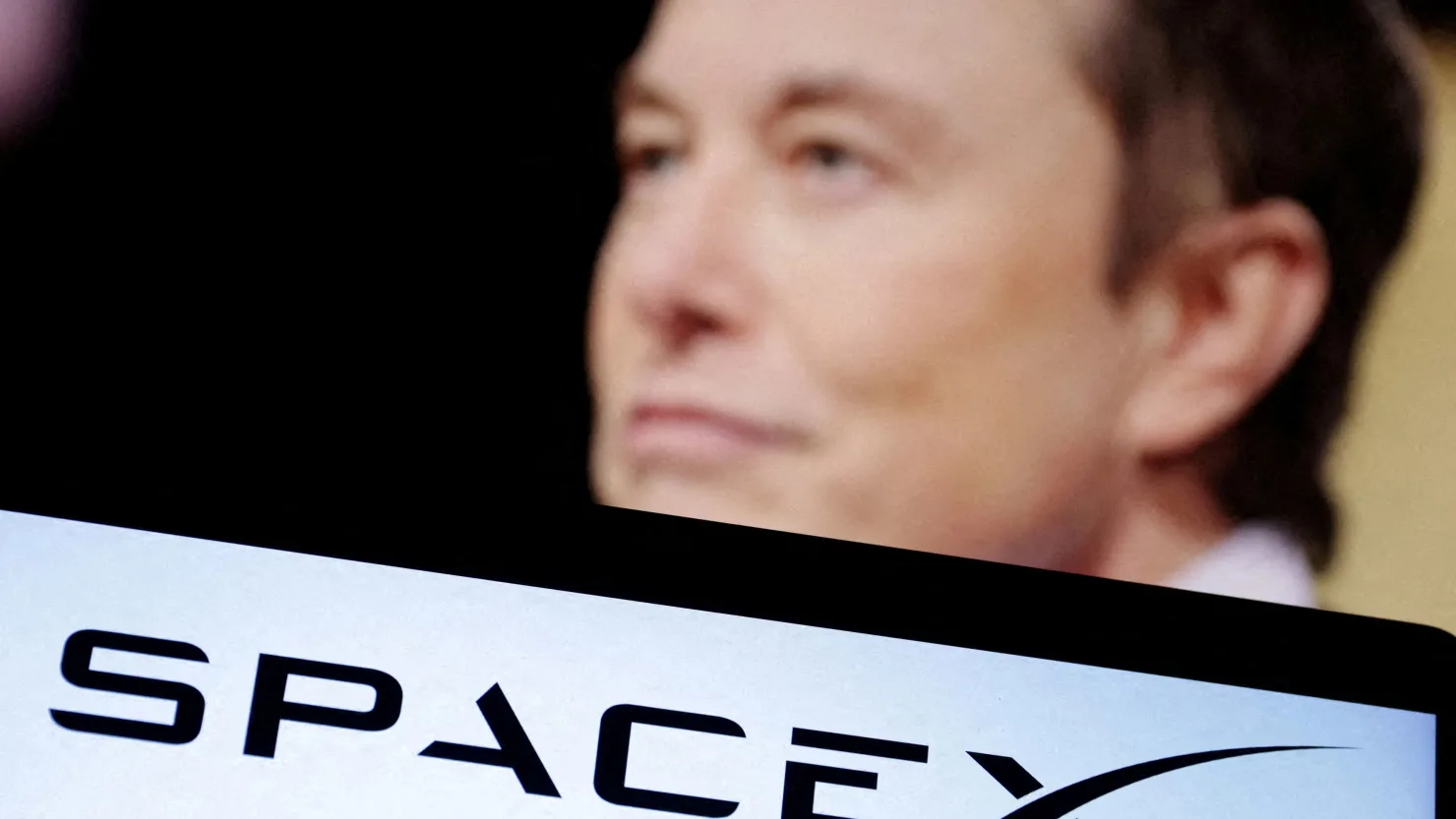
SpaceX Eyes $800 Billion Valuation in Major Secondary Share Sale: Could an IPO Be Next?

SpaceX, the private aerospace powerhouse led by Elon Musk, is reportedly preparing for a secondary share sale that could value the company at a staggering $800 billion, according to a recent report by The Wall Street Journal. This move signals growing investor interest in the private spaceflight leader and raises speculation about a potential public listing as early as late 2026.
With its ambitious projects ranging from reusable rockets to the Starlink satellite internet network, SpaceX has consistently pushed the boundaries of aerospace technology. The company’s potential valuation of $800 billion would place it among the most valuable private companies in the world, rivaling the market caps of tech giants like Apple, Amazon, and Microsoft.
What Is a Secondary Share Sale?
A secondary share sale allows early investors, employees, and other shareholders to sell some of their equity in the company to new investors without the company issuing new shares. Unlike an initial public offering (IPO), a secondary sale doesn’t raise capital for the company itself, but it does provide liquidity to existing stakeholders.
In SpaceX’s case, this secondary sale would provide a rare opportunity for employees and early backers to realize significant returns on their investments while simultaneously introducing new investors to one of the most high-profile private companies in the world.
Elon Musk’s Role and Vision
Elon Musk, CEO of both SpaceX and Tesla, has been at the forefront of the company since its founding in 2002. Musk has long described SpaceX’s mission as making life multi-planetary, with the ultimate goal of establishing a human settlement on Mars.
In November, Musk confirmed that he would consider taking SpaceX public, although he highlighted potential downsides, such as increased regulatory scrutiny and the pressure to meet quarterly earnings expectations. Nevertheless, the allure of a public listing for a company valued at hundreds of billions of dollars is significant, both for Musk and for investors eager to participate in SpaceX’s growth story.
The Context: Why Now?
Several factors may be driving SpaceX to explore a secondary sale at this juncture:
- Starship Development and Commercial Opportunities: SpaceX’s Starship program, designed for interplanetary travel and heavy-lift missions, has reached key milestones, capturing global attention and investor confidence.
- Starlink Revenue: SpaceX’s satellite internet service, Starlink, is generating growing revenue from both commercial and government contracts. Analysts suggest that Starlink alone could justify a multi-billion-dollar valuation.
- Space Industry Boom: The global space industry is experiencing rapid growth, with governments and private companies investing heavily in satellite launches, space exploration, and related technologies.
By executing a secondary share sale now, SpaceX can capitalize on strong market sentiment while providing liquidity to existing shareholders.
The Implications of an $800 Billion Valuation
An $800 billion valuation would make SpaceX one of the most valuable companies globally, placing it in the same league as the world’s top technology and finance giants. For comparison:
- Apple, currently one of the world’s largest companies, has a market capitalization of around $3 trillion.
- Amazon and Microsoft hover between $2 trillion and $2.5 trillion.
- SpaceX’s projected valuation would put it ahead of most traditional aerospace companies by a wide margin.
Such a valuation reflects investor confidence in SpaceX’s dual role as both a commercial spaceflight pioneer and a satellite internet service provider, as well as its long-term ambitions to enable interplanetary travel.
Public Listing Possibilities
The Wall Street Journal report also indicated that SpaceX could pursue a public listing as soon as late 2026. An IPO would allow the company to raise substantial new capital to fund its ambitious projects while providing liquidity to a broader set of investors.
Going public would also expose SpaceX to greater scrutiny, requiring regular disclosure of financial performance, governance, and strategic plans. Musk has previously expressed reservations about IPOs for SpaceX, citing concerns that public scrutiny might conflict with the long-term, high-risk nature of space exploration.
Despite these challenges, the timing may be ideal for SpaceX. Market enthusiasm for aerospace and technology companies remains strong, and investor appetite for companies with long-term transformative potential has never been higher.
Investor Interest and Market Reactions
Although SpaceX remains private, interest in its shares is intense. Early investors, including venture capital firms and high-net-worth individuals, have seen extraordinary returns on their investments in the company. Secondary share sales offer a controlled way to bring new investors into the fold without diluting existing equity significantly.
If SpaceX follows through on the $800 billion valuation, it would attract attention not only from traditional venture capital and institutional investors but also from sovereign wealth funds, hedge funds, and high-profile individual investors seeking exposure to the commercial space sector.
The Bigger Picture: SpaceX and the Future of Space
SpaceX’s growth trajectory is emblematic of a broader trend in the space industry: private companies leading exploration, innovation, and commercialization in ways previously dominated by national governments. From reusable rockets to satellite megaconstellations, SpaceX is reshaping the economic and technological landscape of space.
An $800 billion valuation and potential IPO would solidify SpaceX’s position as the flagship of private space ventures and demonstrate that the commercial space industry is not just a niche market but a central player in the global economy.
Conclusion
SpaceX’s planned secondary share sale and potential IPO are milestones that could redefine the private space industry. Valued at up to $800 billion, the company stands as a symbol of ambition, innovation, and the promise of interplanetary exploration.
For Elon Musk, early investors, and potential new shareholders, these developments offer a unique opportunity to participate in one of the most transformative companies of the 21st century. For the world, it signals that space is no longer just the final frontier—it is also the next frontier of investment, technology, and human possibility.
As SpaceX continues to push boundaries—from reusable rockets to global satellite internet and plans for Mars—investors and enthusiasts alike are watching closely, ready to witness the next giant leap for private enterprise and humanity alike.

