
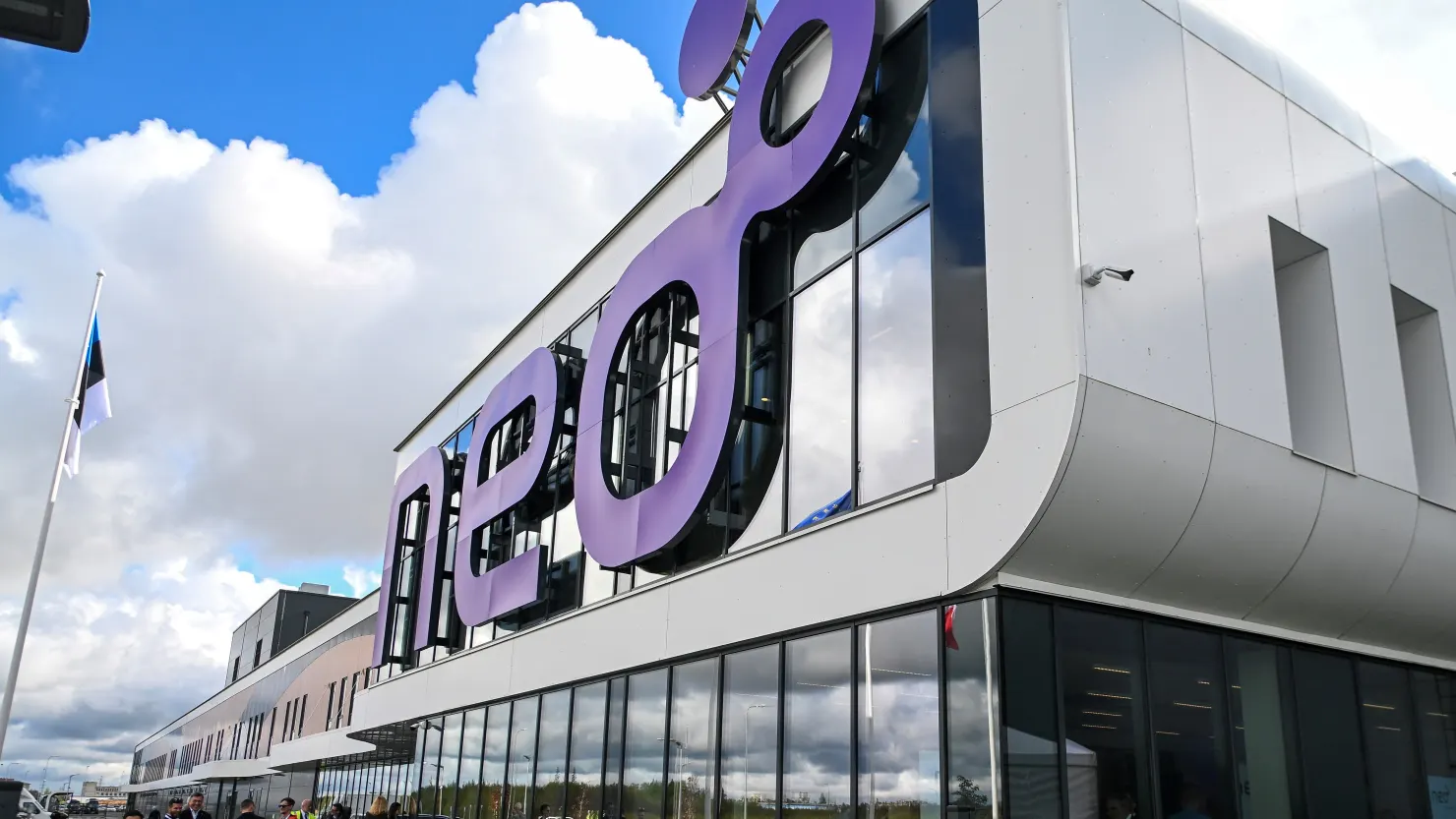
Europe Builds Its Biggest Rare Earths Factory Right Next to Russia – And It Could Change Everything

Europe’s New Bet on Rare Earths Begins at the Edge of Russia
Europe is making a bold move to break its reliance on China for rare earth minerals, and the center of this effort sits in a surprising place: Narva, a quiet industrial city in Estonia located right on the Russian border. This newly opened facility, built by Canada’s Neo Performance Materials, is now the largest rare earths plant in Europe and is being positioned as a crucial part of the continent’s plan to secure its own supply chain.
For decades, China has dominated the global rare earths market, supplying the world with the minerals needed for everything from electric vehicles to wind turbines to smartphones. Europe, in particular, has depended heavily on Chinese imports. Now, as global tensions reshape international trade and energy security, the EU is trying to change that.
And the first major step is happening just meters away from Russian territory.
Why Narva Matters
Narva’s location is striking. The city borders Russia, separated only by the Narva River. Despite its size and low global profile, the city has become a strategic site for Europe. It represents not only a push to boost regional industry but also a broader geopolitical statement about Europe’s ability to sustain critical technologies without leaning on Beijing.
The new plant in Narva is designed to produce rare-earth magnets, small but essential components used in some of the world’s most important technologies. These magnets power electric motors, stabilize medical devices, help operate wind turbines, and even support the performance of artificial intelligence systems. They are also used in modern defense systems, making them crucial for national security.
This reliance on rare earths has pushed Europe to seek more stable, diversified, and local supply options.
A Facility Built for the Future
The Narva plant, opened in mid-September, is part of Neo Performance Materials’ broader strategy to develop a complete rare earths supply chain outside China. The company says the facility is on track to produce around 2,000 metric tons of rare-earth magnets per year. That output could meet up to 10 percent of the European Union’s current demand—an impressive start, considering how dependent the region has been on China for these materials.
Neo’s CEO, Rahim Suleman, explained in a recent video interview that the company sees strong potential for the plant to help reshape Europe’s industrial landscape. With the rapid growth of electric vehicle production, renewable energy projects, and advanced electronics manufacturing, demand for rare earths is expected to rise sharply over the next decade.
For Europe to stay competitive, it needs reliable access to these minerals—and that’s exactly what this plant aims to support.
The Bigger Goal: Reducing Dependence on China
The facility is not just an industrial investment; it is part of a much larger European strategy to reduce reliance on Chinese supply chains. For years, China has processed the vast majority of the world’s rare earths. Even when the raw materials come from elsewhere, they often end up in China for refining and magnet production.
This has left Europe vulnerable to supply disruptions and price instability. Any geopolitical tensions, trade disputes, or export restrictions from China could quickly upend production in European industries that depend on rare earths.
The Narva plant is a step toward addressing this vulnerability. But experts caution that the journey ahead will not be easy. Building a full rare earths supply chain—from mining to processing to manufacturing—requires time, long-term investment, and a skilled workforce. Europe has begun that process, but it still has a long way to go before it can significantly reduce its dependence.
A Strategic Investment During Uncertain Times
The choice to establish such a critical facility so close to Russia highlights both confidence and caution. On one hand, Estonia is a trusted NATO and EU member with a highly digital economy and strong industrial foundations. On the other, building Europe’s largest rare earths factory at a geopolitical flashpoint may seem risky.
Still, the move signals Europe’s determination to strengthen its technological independence even under challenging circumstances. It also underscores the urgency with which governments and industries are working to secure essential materials for the future.
The Narva plant is expected to become a cornerstone of Europe’s strategy, helping support the continent’s transition to clean energy, advanced manufacturing, and next-generation technologies.
What Comes Next for Europe’s Rare Earths Industry
While the facility is already ramping up production, Europe’s rare earths journey has only just begun. In the coming years, the EU hopes to build more infrastructure to support mining, processing, recycling, and manufacturing across the region.
Analysts say collaboration will be key. Countries will need to coordinate investments, streamline regulations, and support research to improve rare earths extraction and recycling technologies. The goal is not only to produce more magnets but also to build a resilient, competitive, and environmentally responsible supply chain.
If successful, Europe could significantly reduce its reliance on China, strengthen its industrial independence, and secure the materials needed for future growth.
Europe’s largest rare earths plant, built on the doorstep of Russia, represents more than just an industrial expansion. It is a strategic response to global tensions, a step toward technological independence, and a sign of Europe’s commitment to reshaping the future of energy and manufacturing.
The Narva facility may only supply a portion of the EU’s total demand, but it sets the stage for a powerful shift—one that could redefine Europe’s role in the global rare earths economy.
This once-quiet border city may soon be known as the place where Europe began taking control of its technological destiny.

