
Toyota Supercharges Its U.S. Expansion: $13.9 Billion Battery Plant Opens, $10 Billion More Investment on the Way

A New Era for Toyota in America
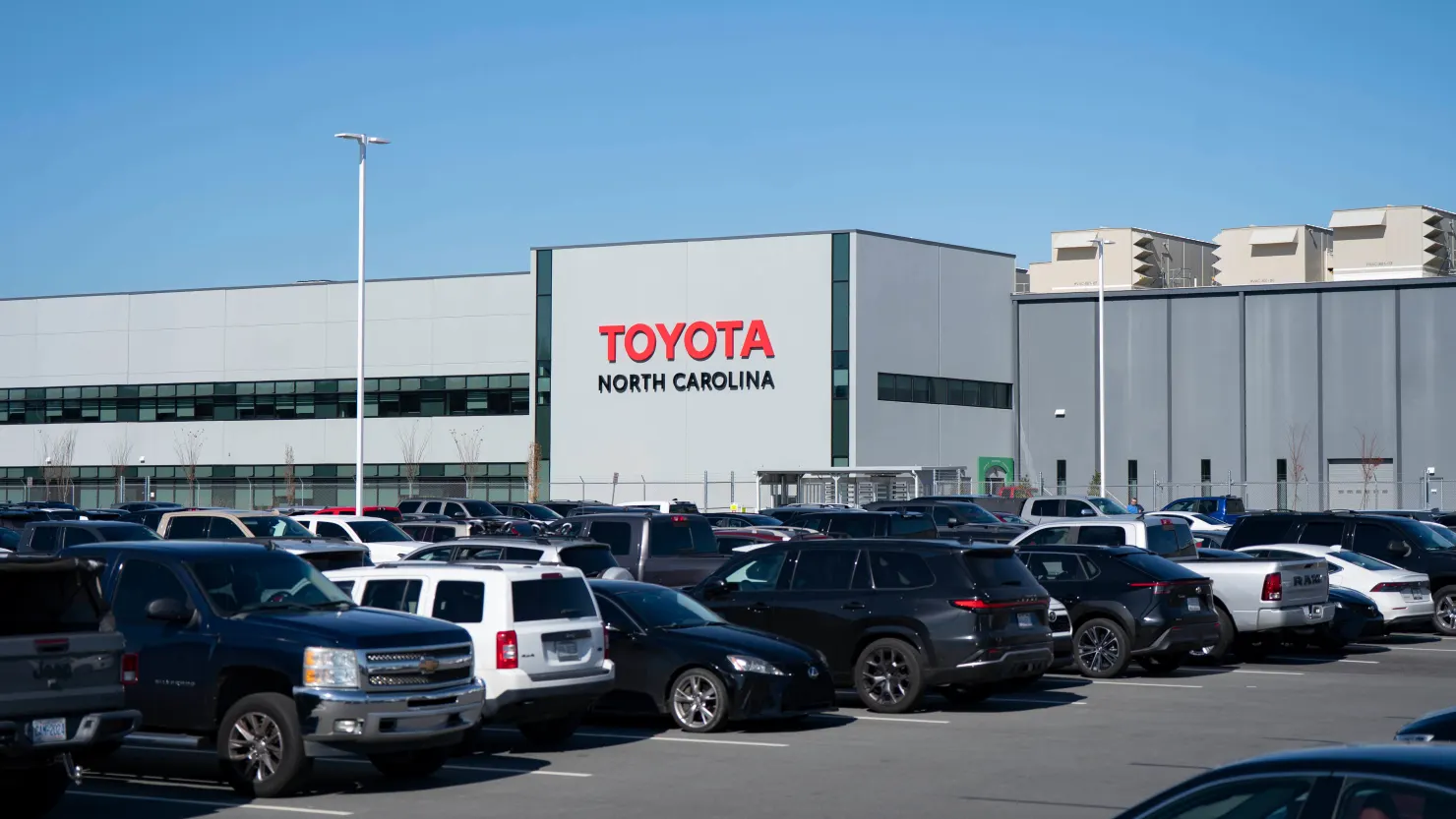
Toyota has officially flipped the switch on a massive new battery production facility in North Carolina — a move that cements the Japanese automaker’s long-term commitment to American manufacturing. The company announced that the plant, valued at 13.9 billion dollars, has begun operations and will become a cornerstone of its electric and hybrid vehicle strategy.
At the same time, Toyota confirmed it will invest up to 10 billion dollars more than originally planned over the next five years in the United States. This fresh injection of funding brings Toyota’s total U.S. investment plans to unprecedented levels and reinforces the automaker’s focus on growing its North American footprint.
According to Toyota Motor North America CEO Tetsuo Ogawa, this marks a “pivotal moment” for the company. The new facility, coupled with the expanded investment, represents one of the most ambitious undertakings in Toyota’s modern history.
Inside Toyota’s $13.9 Billion Battery Hub
The newly operational battery plant in North Carolina is Toyota’s first in-house battery production facility outside Japan. It will serve as a critical supplier of batteries for the company’s growing lineup of hybrid and electric vehicles.
Originally announced in December 2021, the plant was part of Toyota’s broader strategy to support the Biden administration’s initiative to bring key parts of the electric vehicle supply chain back to the United States. The North Carolina site is now a central piece of that puzzle, ensuring Toyota has a secure domestic source of battery components to meet increasing demand.
The facility is expected to create thousands of new jobs and expand over time to meet production needs for both hybrid and fully electric models. Toyota’s decision to locate the plant in the U.S. reflects not just a response to policy trends, but also a clear recognition of where its customers are headed.
Why Toyota’s Bet on Hybrids Is Paying Off
While the broader electric vehicle market has cooled in recent months, Toyota’s hybrid sales have continued to surge. Consumers who are cautious about switching fully to EVs are turning to hybrid vehicles as a practical middle ground.
This shift in market sentiment plays directly into Toyota’s strengths. The automaker has decades of experience in hybrid technology, having pioneered the segment with the Prius. As other automakers scale back or delay their EV plans, Toyota’s hybrid-heavy lineup is thriving.
The North Carolina battery plant will supply batteries for these high-demand hybrids, ensuring Toyota can keep up with its growing customer base. It also positions the company to pivot quickly toward full electrification when the market is ready.
$10 Billion More: Toyota Doubles Down on U.S. Manufacturing
In addition to the new battery plant, Toyota is committing to a major investment boost — as much as 10 billion dollars more than it had previously announced. Over the next five years, this money will flow into expanding production capacity, enhancing technology development, and strengthening supply chains across its U.S. operations.
The automaker didn’t release detailed spending breakdowns, but industry analysts expect much of the funding to go toward research in next-generation battery technology, improvements in manufacturing automation, and the integration of cleaner energy solutions across its facilities.
Tetsuo Ogawa emphasized that this expansion underscores Toyota’s belief in the future of American industry. It’s not just about building vehicles; it’s about building a long-term presence.
Balancing EVs and Hybrids: A Strategic Middle Ground
Toyota’s U.S. strategy continues to balance between full electrification and hybrid technology. Unlike some automakers that have gone all-in on EVs, Toyota has chosen a more gradual path — one that focuses on flexibility and affordability.
By ramping up hybrid production and building its first American battery plant, Toyota can reduce dependency on imported components while maintaining agility in an unpredictable EV market. This dual-track approach may prove to be a competitive advantage, especially as consumer adoption of fully electric vehicles remains uneven.
The Bigger Picture: What This Means for the U.S. Auto Industry
Toyota’s new plant and investment plans signal confidence in the U.S. economy and its workforce. It’s also a significant win for American manufacturing, particularly in North Carolina, which continues to emerge as a major hub for clean energy and automotive innovation.
The move could also encourage other foreign automakers to expand their U.S. operations, particularly in areas related to battery production and EV supply chains. With domestic production incentives still in place, Toyota’s decision to expand aggressively could set the tone for other global carmakers looking to strengthen their North American presence.
Looking Ahead
As Toyota begins operations at its North Carolina battery plant and pours billions into its U.S. operations, the company is clearly preparing for the long haul. Market conditions may shift, but Toyota’s diversified strategy — combining hybrids, EVs, and domestic production — positions it to weather uncertainty and take advantage of future demand.
This expansion marks more than just a new facility; it’s a strategic transformation for Toyota’s North American business. The next few years will reveal whether this calculated blend of innovation, investment, and restraint becomes the winning formula for the global auto industry’s next chapter.

