
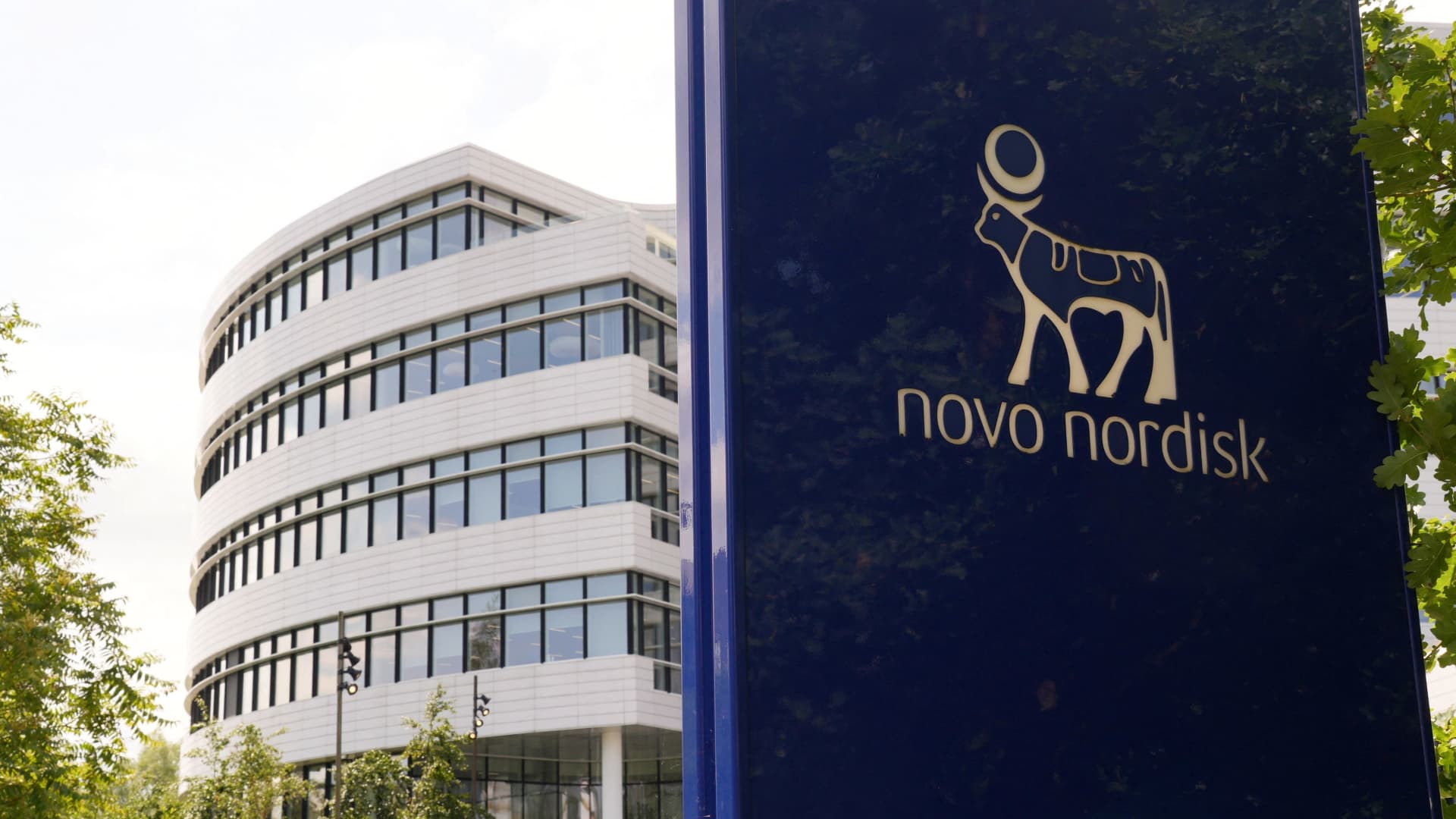
Novo Nordisk Walks Away from $10 Billion Biotech Deal — Genius Move or Risky Gamble?

Novo Nordisk Shocks the Market
Novo Nordisk, the Danish pharmaceutical giant, stunned investors by pulling out of a $10 billion biotech acquisition. The move has sparked heated debate: is this a savvy strategic decision or a red flag for the company’s growth prospects?
For a company renowned for its diabetes and obesity treatments, walking away from a major deal signals careful financial discipline — but it also raises questions about what opportunities Novo Nordisk may be missing in the fast-moving biotech space.
The Deal That Was
The deal in question involved a high-profile biotech firm developing innovative treatments in areas adjacent to Novo Nordisk’s core focus. Analysts had expected the acquisition to strengthen Novo Nordisk’s pipeline of next-generation therapies, potentially accelerating growth and expanding its influence beyond diabetes and obesity.
Instead, the company announced it was stepping back from the deal, citing strategic and financial considerations. While the exact reasoning is not fully detailed, insiders suggest Novo Nordisk wants to prioritize internal R&D and focus on high-margin products rather than overextending with a massive acquisition.
Investor Reactions: Confused or Concerned?
The stock market reacted with caution. Some investors praised the decision as a smart, disciplined move — avoiding overpaying in a frothy biotech market where valuations are sky-high. Others worry it could signal that Novo Nordisk is hesitant to take bold steps, potentially missing out on transformative innovation.
Analysts are split. Proponents argue that staying lean allows Novo Nordisk to conserve cash for strategic R&D and maintain control over its growth trajectory. Skeptics counter that walking away from such a deal might allow competitors to capture key biotech assets, weakening Novo Nordisk’s long-term competitive edge.
Strategic Implications for Novo Nordisk
Novo Nordisk has built its reputation on precision in diabetes and obesity treatments, with blockbuster drugs that have delivered billions in revenue. By sidestepping the $10 billion acquisition, the company may be signaling a preference for organic growth over aggressive expansion, a strategy that has worked well historically but carries risks in a rapidly evolving biotech landscape.
The decision also reflects the company’s caution in a volatile market. Biotech valuations are high, and large deals carry integration risks and uncertainty over clinical outcomes. Novo Nordisk may simply be avoiding a situation where the price tag outweighs potential benefits.
The Market Context
The global biotech sector has seen record valuations and frenetic M&A activity in recent years. Companies with strong cash reserves are often under pressure to make bold acquisitions to maintain growth momentum.
By stepping back, Novo Nordisk may be bucking this trend — a signal that it values stability over hype. However, in the fast-moving world of biotech, missing the right opportunity can mean losing the chance to dominate emerging treatment areas.
What’s Next for Novo Nordisk?
Investors will be watching to see how Novo Nordisk redirects the $10 billion it might have spent on the deal. Options include:
- Investing more heavily in internal research and development
- Expanding in adjacent therapeutic areas organically
- Returning cash to shareholders through dividends or share buybacks
The company’s next moves will be closely scrutinized as a test of its ability to balance financial prudence with innovation-driven growth.
Bottom Line
Novo Nordisk’s decision to walk away from a $10 billion biotech deal is both bold and controversial. On one hand, it underscores careful financial management and strategic focus. On the other, it raises concerns about missed opportunities in a highly competitive sector.
Whether this move will be remembered as strategic genius or a missed opportunity depends on how well Novo Nordisk leverages its resources in the coming years — and whether it can continue to lead in diabetes, obesity, and beyond without aggressive M&A moves

