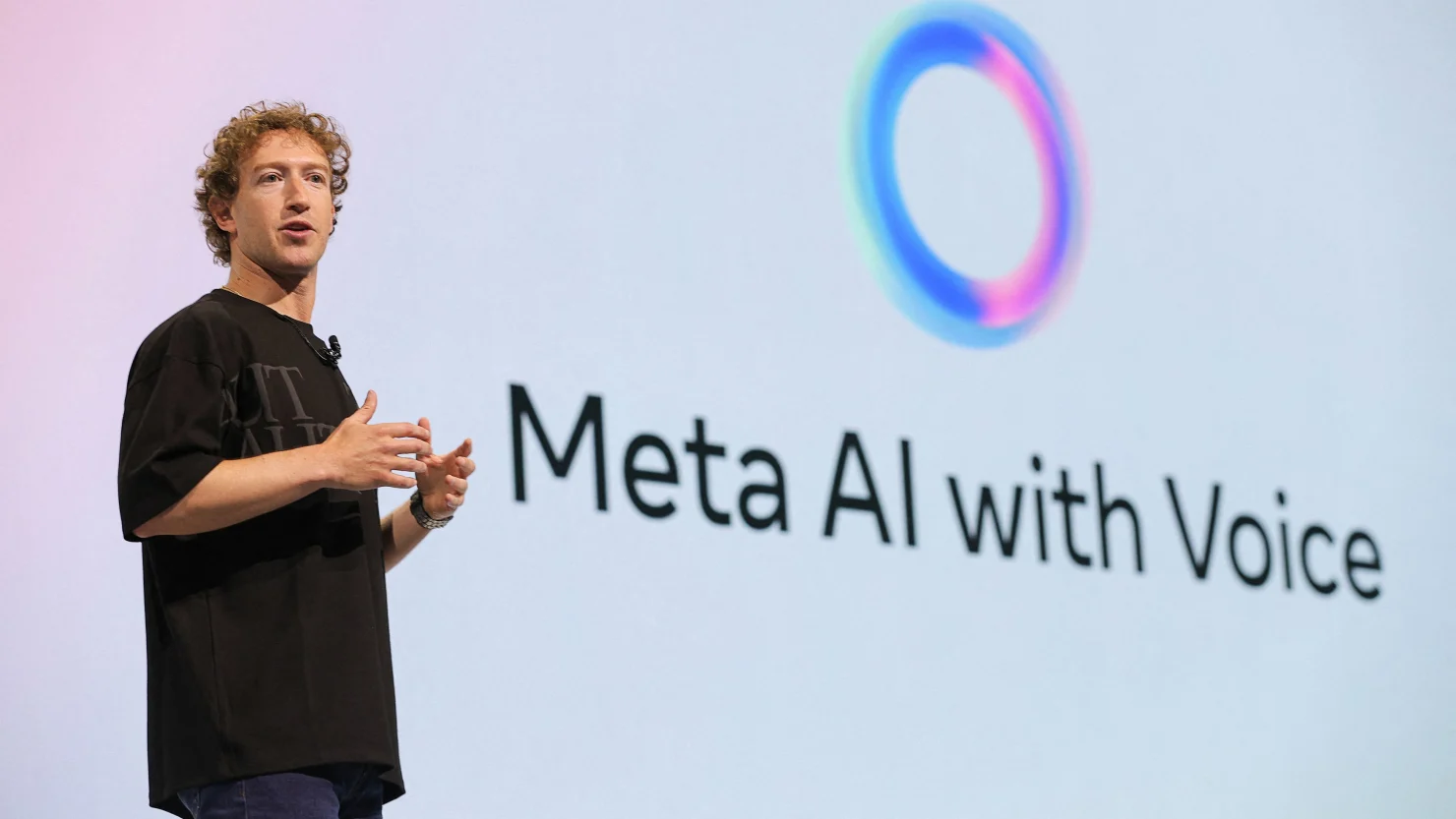

Meta, the parent company of Facebook and Instagram, is set to take a significant step in integrating artificial intelligence with its advertising ecosystem. The company announced that it will begin showing ads and personalized content to users based on their interactions with Meta’s AI-powered digital assistant and other generative AI products. This change is scheduled to go into effect on December 16, with users receiving notifications starting October 7.
The update marks a major shift in how Meta leverages AI to drive its advertising business. By using data from AI interactions, the company aims to better tailor content and advertising to individual users’ preferences and needs. Meta’s AI digital assistant currently has more than 1 billion active monthly users, highlighting the platform’s broad reach and the potential impact of these targeted ad strategies.
Integrating Generative AI with Advertising
Meta’s announcement underscores its commitment to combining its investments in generative AI with its core advertising revenue stream. Over the past year, the company has invested heavily in AI research and development, hiring top talent and expanding its AI capabilities across platforms. According to Meta’s second-quarter earnings report, these AI initiatives are expected to drive higher expenses in 2026 compared to 2025, reflecting the company’s long-term strategy to embed AI into its business model.
By analyzing user interactions with its AI assistant, Meta can gain deeper insights into individual preferences, behaviors, and interests. This data can then be used to deliver highly personalized ads on Facebook, Instagram, WhatsApp, and Messenger. The company has emphasized that this approach will improve the relevance of advertisements while also integrating AI capabilities more closely with its core services.
How the AI Integration Works
Meta’s AI digital assistant is available across multiple platforms, including Facebook, Instagram, WhatsApp, Messenger, and as a standalone app and website. Users can ask questions, receive recommendations, or interact with the assistant for various tasks such as content discovery, shopping guidance, or general information.
The new ad targeting system will use signals from these interactions to determine which ads are most relevant for each user. For example, if a user frequently engages with AI-driven content about travel destinations, Meta may prioritize travel-related advertisements in their feed. Similarly, interactions related to shopping, fitness, or entertainment can influence the type of content and promotions that appear.
This approach is intended to make advertising on Meta’s platforms more effective, both for advertisers seeking to reach the right audience and for users who receive content that aligns with their interests. By leveraging AI data, the company hopes to enhance user engagement while driving higher ad revenue.
User Notifications and Transparency
Meta has announced that users will be notified about the changes starting October 7, ahead of the December 16 rollout. The company emphasized its commitment to transparency, ensuring that users understand how their AI interactions may be used to personalize ads.
Privacy considerations remain a key aspect of this initiative. Meta has stated that the data from AI interactions will be used in compliance with privacy regulations and user preferences. Users will have the ability to manage their ad settings and control how AI-driven insights influence the advertisements they see.
Strategic Significance for Meta
This move represents a broader strategy by Meta to capitalize on its investments in AI technologies. Generative AI has become a core focus for the company, with applications ranging from content creation and moderation to recommendation systems and customer engagement. By linking AI capabilities directly to advertising, Meta aims to maximize the commercial potential of these technologies.
Industry experts note that Meta’s approach could set a precedent for other tech giants exploring AI-powered ad personalization. Companies like Google, TikTok, and Amazon are also leveraging AI to refine their recommendation systems and enhance advertising effectiveness. However, Meta’s scale, with billions of active users across its platforms, gives it a unique advantage in collecting and analyzing AI interaction data for commercial purposes.
Financial Implications
The integration of AI with ad targeting has the potential to significantly impact Meta’s revenue streams. Personalized advertisements typically generate higher engagement rates, click-throughs, and conversion rates, which can translate to increased ad spending by businesses. By using AI to optimize ad delivery, Meta can enhance the value of its advertising inventory, potentially leading to stronger financial performance in the coming years.
The company has already highlighted that its AI investments will contribute to higher expenses in 2026, but the anticipated revenue growth from improved ad targeting may offset these costs. This strategy aligns with Meta’s broader vision of using technology to create more personalized and engaging experiences for users while sustaining its position as a leader in the digital advertising market.
Future Prospects
Looking ahead, Meta’s focus on AI-driven advertising is likely to evolve further. The company may expand the types of AI signals used for ad personalization, incorporate more advanced machine learning models, and develop new products that integrate AI insights into user experiences. This approach not only strengthens the company’s advertising capabilities but also positions Meta as a key innovator in the generative AI space.
As Meta rolls out these updates, the industry will be closely watching user reactions, engagement metrics, and advertiser feedback. The success of this initiative could influence the future of AI-powered advertising across social media platforms globally.
Meta’s decision to leverage AI chat interactions for ad targeting represents a significant convergence of technology and commerce. By combining generative AI capabilities with its core advertising business, the company aims to deliver more personalized and relevant content to users while driving revenue growth. As the rollout approaches, both users and advertisers will experience the impact of AI-powered personalization, signaling a new era in digital advertising.